
Before Europeans arrived in the Americas, Indigenous peoples inhabited and cared for the land, watersheds, and ecosystems. It was their way of living, their commitment to harmony with Nature and to sustainable use of resources that led to what new arrivals described as natural abundance.
One of the pre-Columbian names for the Americas was Abya Yala—meaning in the Guna language of what is now Panamá “the mature land”, which also meant land cultivated and cared for so abundance would follow. This was a recognition that successful human pursuits depend on our being responsible, forward-thinking stewards, and that our choices will matter to future generations.
For at least 30,000 years, the peoples of the Americas made their living—some moving from place to place to maintain favorable conditions through four seasons, some establishing major population centers that rivaled any of the great cities of Asia, Africa, or Europe.
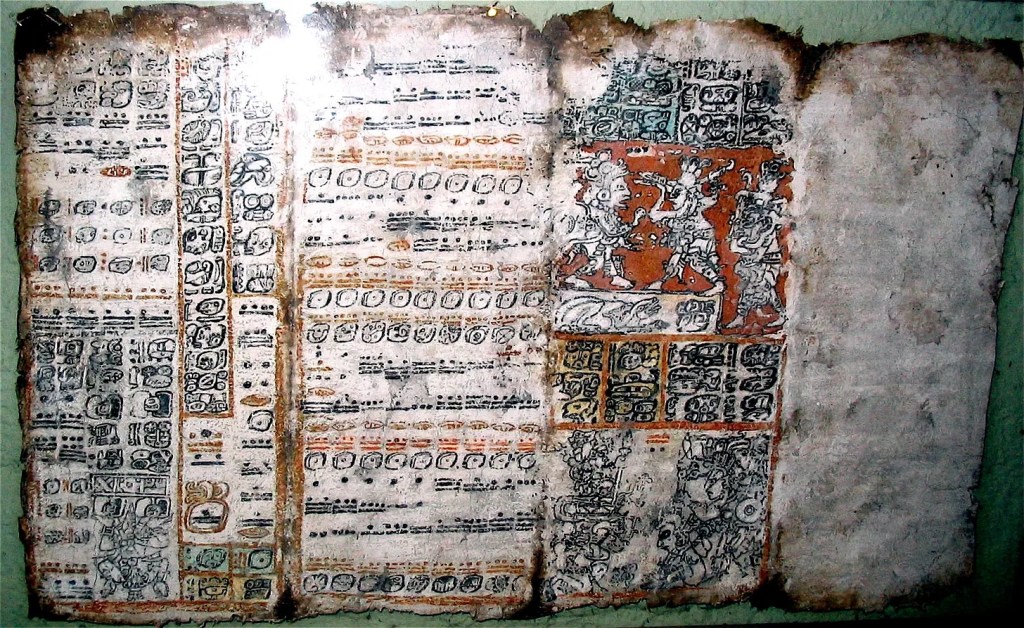
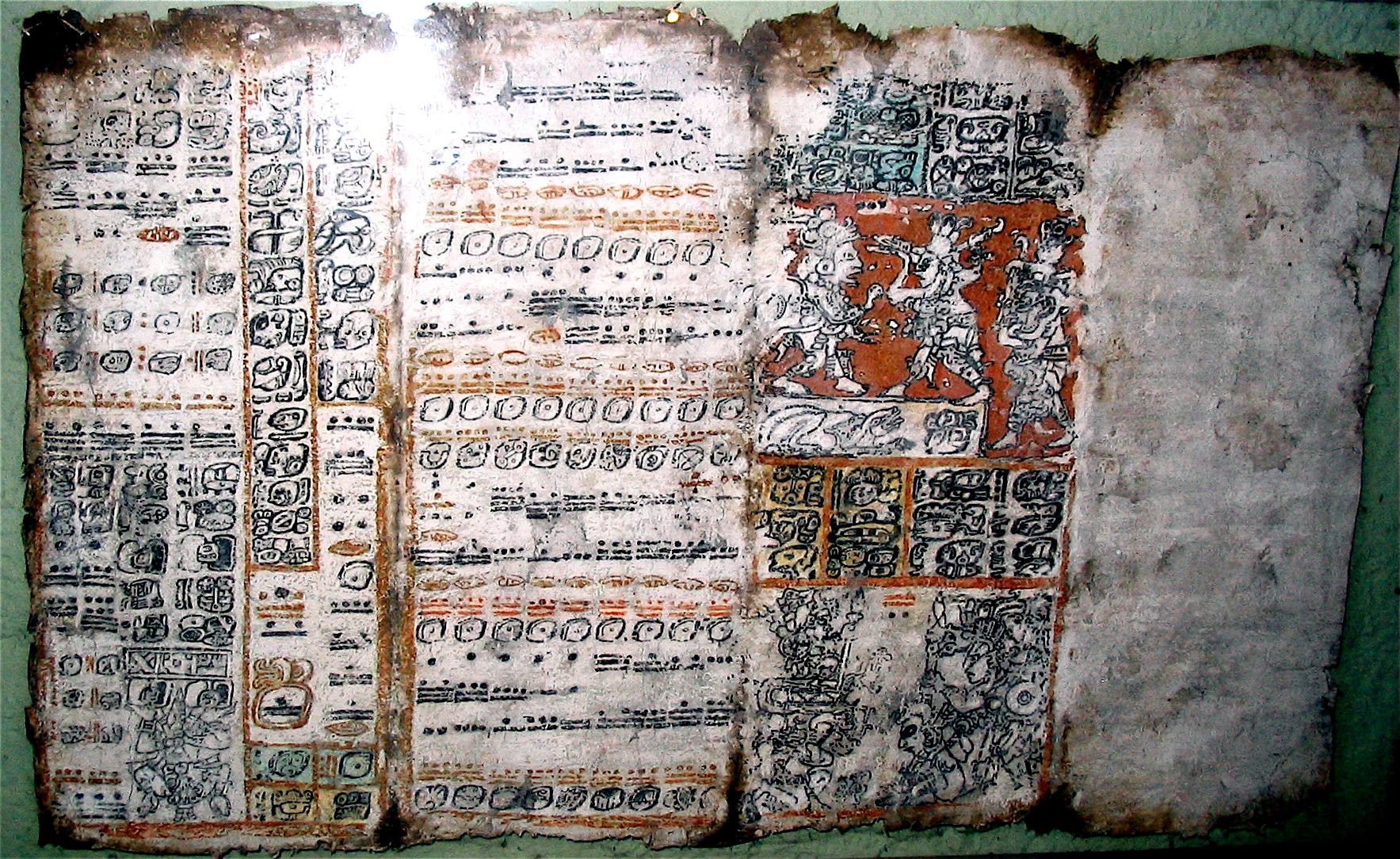
For instance, some of the most complex writing techniques and some of the ancient world’s most advanced astronomical and scientific knowledge, were destroyed by Spanish clerics who did not understand what they were looking at, who believed the Mayan codices depicted and celebrated devilry.
In fact, the Mayan codices comprised an extensive library of ancient writing, tracing a long cultural evolution, and mixing prophecy with scientific observation, mathematics, and astronomy. In that cultural exchange, it was the Spanish clerics who were motivated by a primitive, violent ignorance, and who acted from the very opposite of Christian values and motivations.
There is no honest way to look at the history, without acknowledging the terrible losses suffered by Indigenous peoples after Europeans began colonizing the Americas. In many ways, it is instructive to look at how the same oppressors who drove Europeans to seek a better life in an unknown land across the ocean also brought violence and tyranny to the people who already lived there. It is estimated 90% of the Indigenous population died, with more than 50 million killed between 1492 and 1600.
Bartolomé de las Casas, a Spanish colonizer who arrived in Hispaniola (now Haiti and the Dominican Republic) just 10 years after Columbus reached the Americas, after a little more than a decade observing the treatment of Indigenous peoples, traveled back to Spain to denounce the brutalization and cruelty he witnessed.
He defended the ethical codes, language and spirtuality, that comprised the already existing cultures he saw being deliberately destroyed, and called for Indigenous peoples to have the right of self-rule in areas controlled by the Spanish crown. His writings became part of the body of work that would later give rise to Englightenment thinking about natural, universal human rights.
1492 was not only the year of Columbus’ arrival in the Americas. It was also the year when people of Muslim and Jewish faith and ancestry were banned from Spain, and the start of the brutal Spanish Inquisition, which would last in various forms till the 1860s. Conquest was very much about violence and oppression, though colonists from across Europe were often people simply seeking freedom from tyrannical rulers back home.
Whether the President of the United States wants to name this October holiday for Christopher Columbus or for the Indigenous Peoples whose careful stewardship allowed the Americas to remain filled with lush and thriving ecosystems from the Arctic to the Antarctic, the day will always require a look into history, and that history cannot be erased by executive order.
Columbus also brought enslavement to the Americas. Each of the European empires that sought to control part of the Americas propagated the evil of human enslavement. Many Americans are not aware that the Enlightenment philosophy that became the foundation of their independent republic flow, in part, from Bartolomé de las Casas’ defense of the natural human rights of Indigenous peoples.
No simple acknowledgement can make up for all the historical loss imposed on the Indigenous peoples of the Americas by European conquerors, but we must acknowledge that the history of this convergence of civilizations is much more than a childhood story about exploration and discovery. And for those who reminisce about the mid-20th century American view of the Age of Exploration, the subject of celebration was not simply about “discovery”, but the first step in a long history of immigration.
That some now wish to erase the acknowledgement of Indigenous peoples, while also persecuting immigrants, is as irrational and immoral as the burning of the Mayan codices. We all lose when such ignorance prevails. The Constitution of the United States specifically states that immigration is a national objective and seeks to normalize it as part of the civic infrastructure of the republic.
We must acknoweldge the complexity of this history, and we must acknowledge that America is not America without the accomplishments, cultures, spiritual pursuits, and land stewardship of Indigenous peoples, whose presence dates far into prehistory.
Even today, while pollution threatens fresh water resources we all depend on, and industrial climate disruption spreads drought and other dangers, Indigenous communities continue to stand as a voice for responsible stewardship of land, watersheds, and ecosystems. If such stewardship efforts fail, all Americans will suffer the negative health impacts of unchecked pollution and unregulated industry.
If today is a day we look back on the start of this complicated interaction between Abya Yala and people from other continents, then we should acknowledge the complexity, pay homage to the tragedies and moral failures, and think carefully, together, about how we achieve a future in which all people can enjoy the benefits of thriving ecosystems, clean water, harmony with Nature, and the real protection of universal human rights.
 Joseph E. Robertson, III